Origins
The palace that became a university
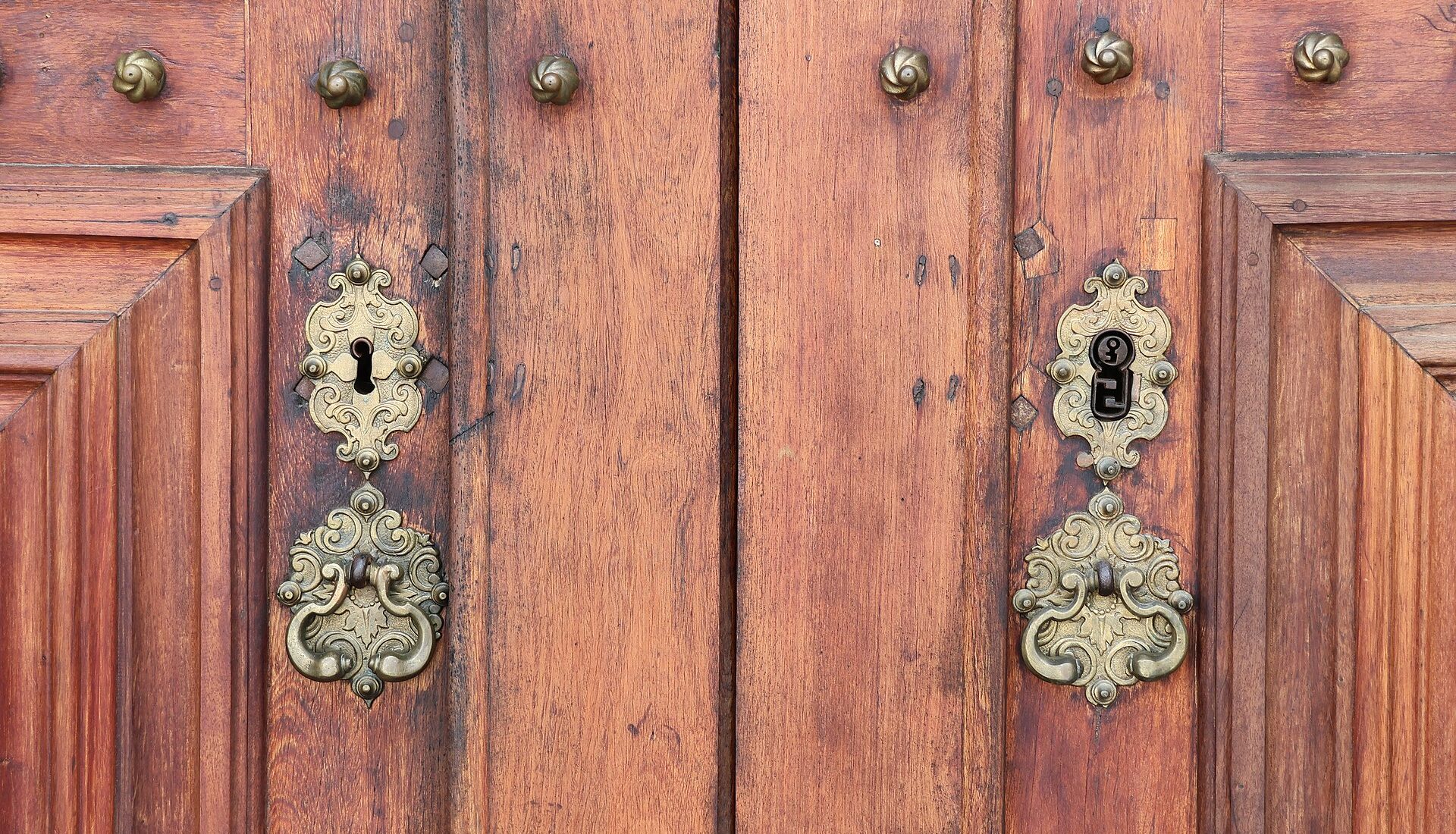
Portugal's university was founded in Lisbon in 1290 and moved back and forth to Coimbra before settling for good in 1537, when King John III gave it his own palace on the top of the hill. The Paço das Escolas — the Palace of Schools — still has the throne room where doctoral candidates defend their theses.
A timeline
Key moments on the hill
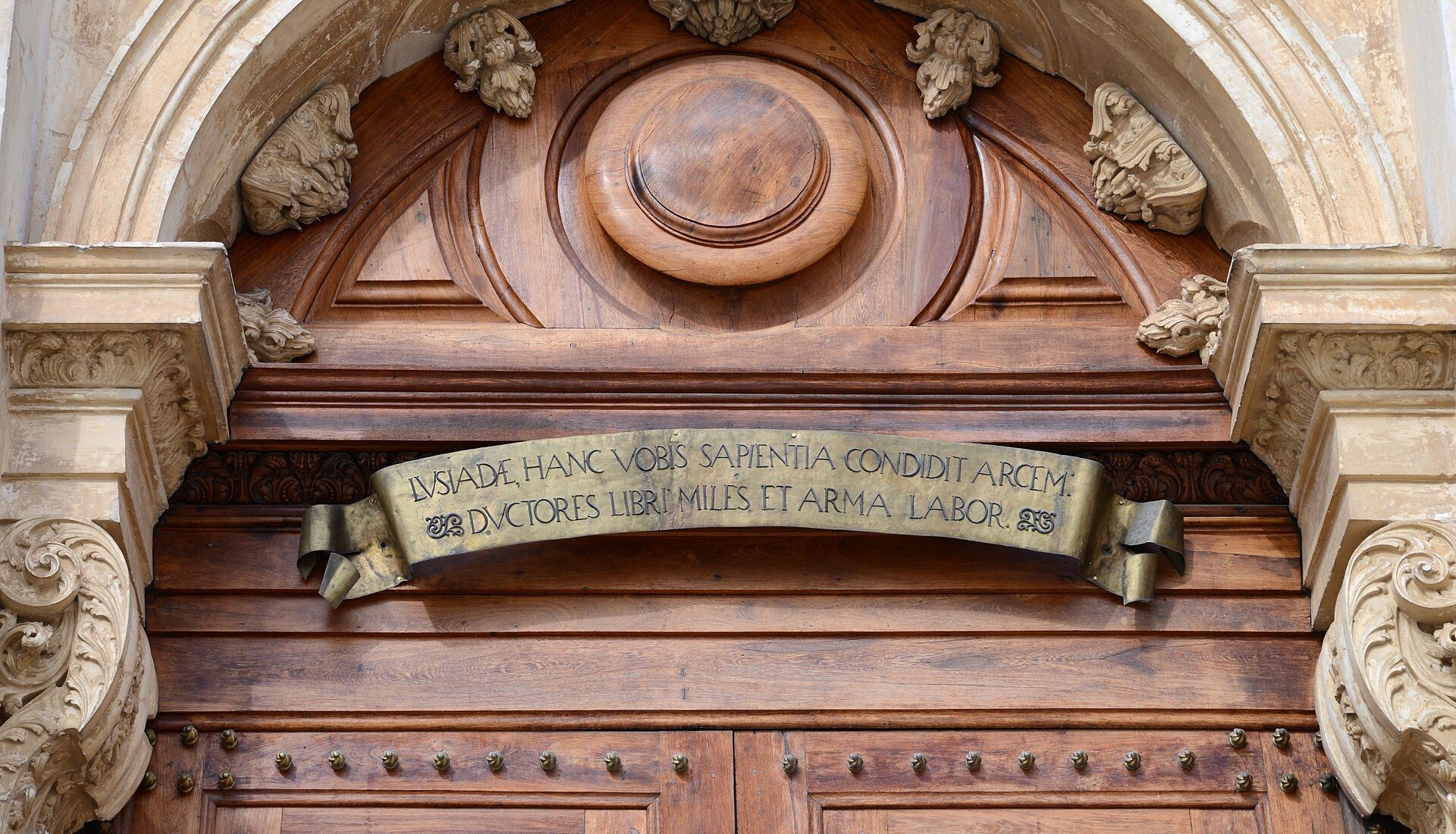
1290 — the university is founded. 1537 — it settles in the royal palace at Coimbra. 1717–1728 — the Biblioteca Joanina is built. 1782 — Pombal's reforms reshape the academic prison. 2013 — UNESCO World Heritage listing.
John V
Brazilian gold, Portuguese Baroque
The gold that paid for the library came from Brazil, and John V spent it the way he spent it on everything — lavishly. The halls were finished by 1728; the books took longer, and the collection is still catalogued by the subjects of its time: law, medicine, theology, philosophy.
Below the gilded halls is the medieval academic prison — the oldest surviving in Portugal — where students who broke the university's own laws served their time.
The building
Three halls, one perspective
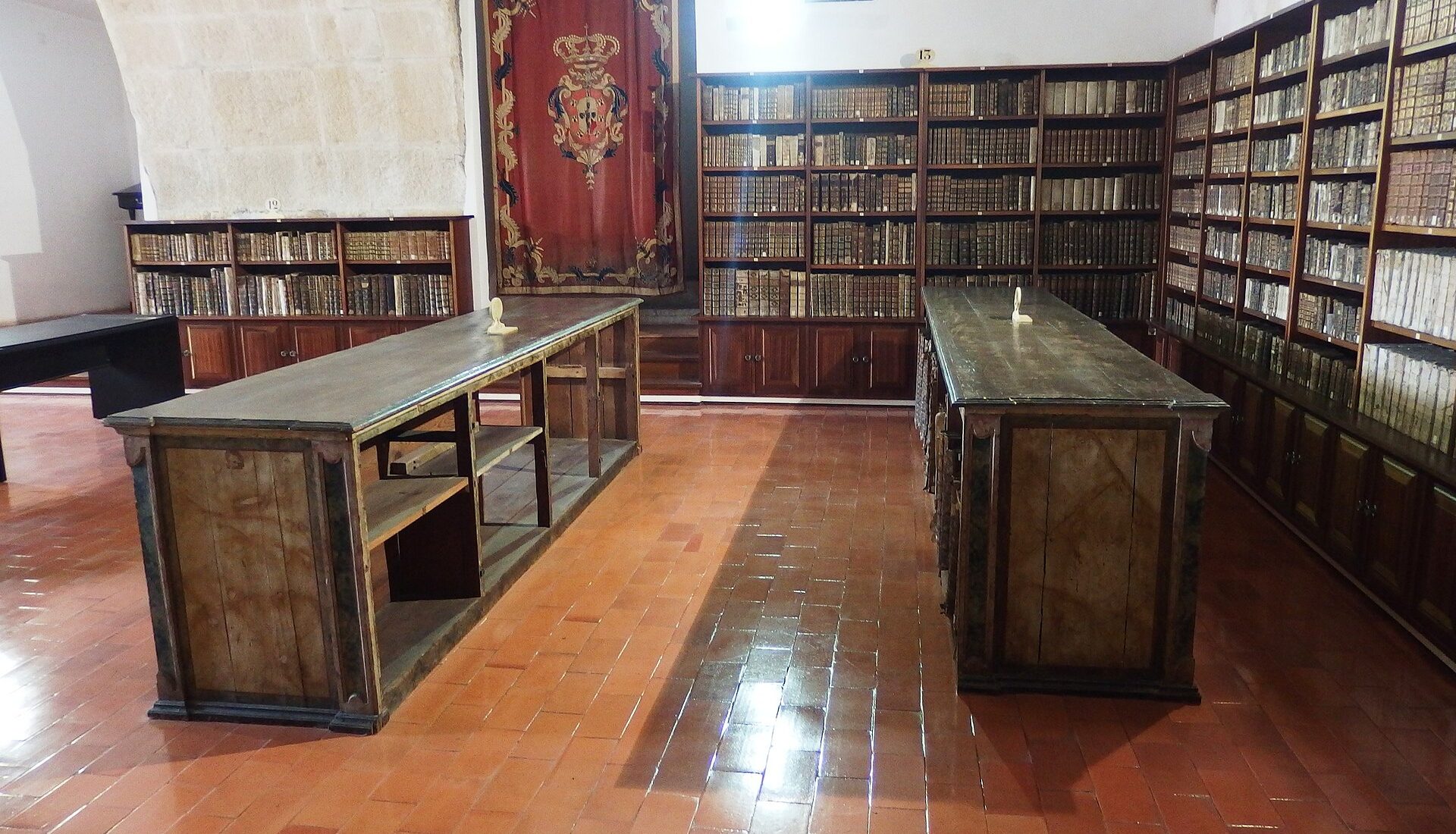
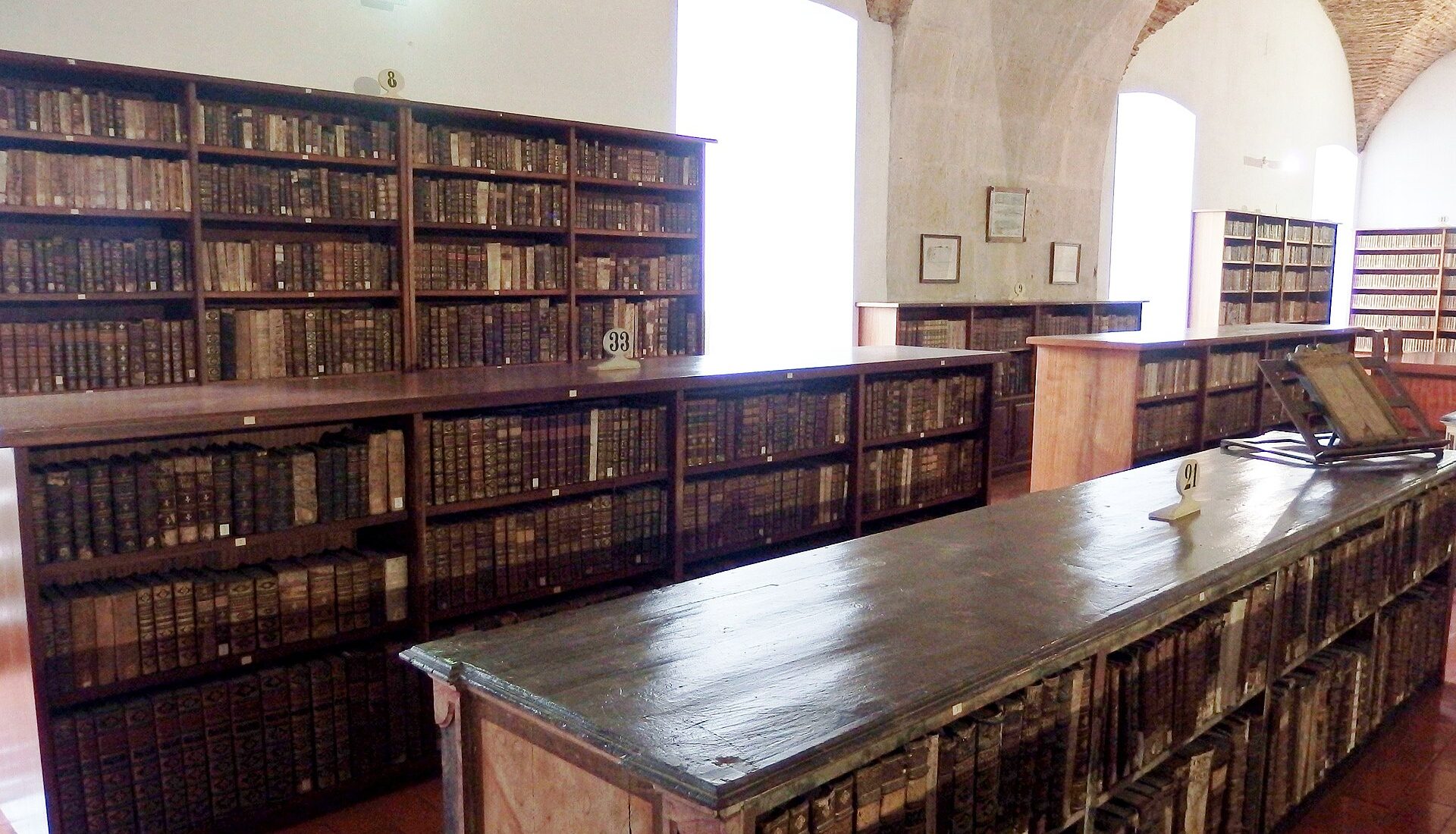
The library is a single sequence of three rooms, each opening onto the next through a tall arch, so that from the door you look straight down to the king's portrait. The bookcases are in exotic woods, the ceilings are painted illusions of architecture, and everything gilded is real gold leaf.
Layers of style
Baroque above, medieval below
The Noble Floor is the showpiece, but your ticket lets you see all three levels.
Noble Floor
The three gilded halls of 1728 — the reason you came.
Middle Floor
The book deposit and the guards' quarters above the prison.
Academic Prison
Medieval cells beneath the library, in use until 1834.
Inside the palace
What you actually see with your ticket
The general ticket covers the Biblioteca Joanina (timed), St Michael's Chapel with its 1737 organ, the Royal Palace with the Hall of Acts and the Arms Room, and the Science Museum — the Chemistry Laboratory, the Cabinet of Curiosities, the Mineral Gallery and the Academic Museum. The library visit is 15 minutes; everything else can be seen over two days.